
 About Us
 Why K12?
 Safety Needs
 How Students Succeed
 FAQs
FAQs Online Elementary School
 Online Middle School
 Career and College Prep
 Online High School
 Student Clubs
 Career and College Services
 Inside the Online Classroom
 A Day in the Life
 Social & Extracurricular
 Advice, Tips & Inspiration
 Benefits for Life
 Enroll
 All School Options
 Need More Help?
Being a parent of an online student looks different from traditional schooling. Instead of simply helping with homework after school, you become part of the daily learning environment. But that doesn’t mean doing the work for your child. The goal is to support learning while helping your child build independence.
Finding that balance takes practice. You want to stay present and supportive while allowing your child to develop confidence and problem-solving skills. Over time, your role naturally evolves as your child becomes a more independent learner.
Why Parent Involvement in Online School Matters
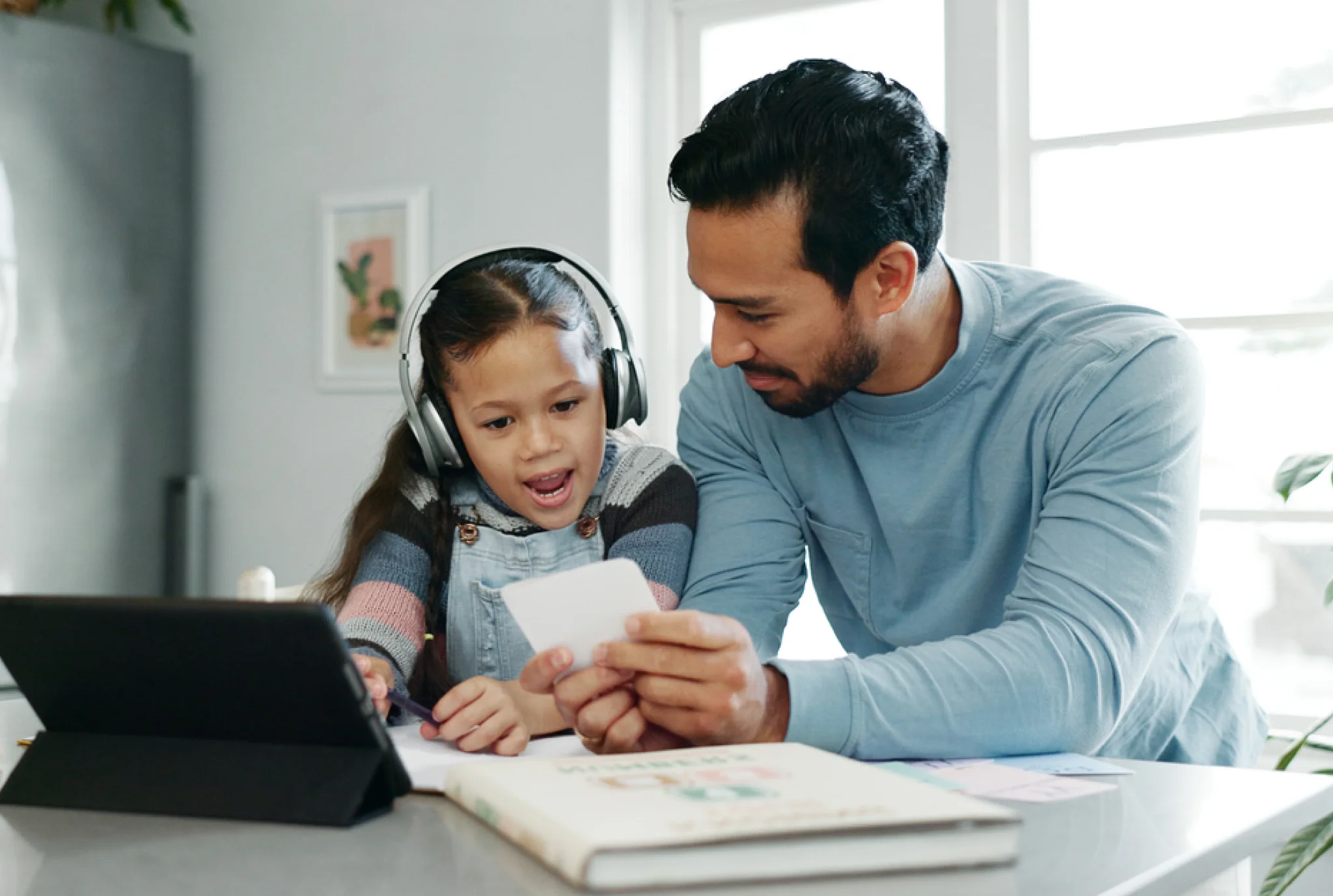
In traditional school, parents typically help with homework and attend occasional conferences. In online learning, families have more visibility into their child’s daily progress.
Parents can often see assignments, grades, and lesson activity in real time. This makes it easier to notice when a student is struggling and step in before small problems grow into bigger challenges. Research supports the importance of family engagement. As the Institute of Education Sciences notes, “family engagement is among the strongest predictors of student performance.” At the same time, greater visibility comes with responsibility. Parents often help structure the school day, monitor progress, and communicate with teachers.
The key difference in online school is that parents help support the learning environment. That support is valuable, but establishing clear boundaries is important so students can develop independence.
Understanding Realistic Time Commitments for Parents
How much time parents spend supporting their child depends on age and grade level. Younger students require more direct support, while older students gradually take more responsibility for their learning.
Elementary School (Grades K–5): More Hands-On Support
Younger students typically need a parent nearby or for much of the school day. Parents often help with tasks such as:
- Logging into classes
- Understanding instructions
- Staying focused on assignments
- Completing activities and lessons
This doesn’t mean parents are teaching. Online schools have dedicated teachers to cover all subjects. Think of yourself as a guide who helps keep the day organized and moving forward.
As children progress through elementary grades, they gradually need less direct support. A 5th grader, for example, might work more independently than a 1st grader, but would still benefit from supervision and encouragement.
Middle School (Grades 6–8): Transitioning to Independence
Middle school students are ready for more independence but still benefit from consistent support. Your role often shifts at this stage from sitting beside your child to checking in periodically throughout the day. Parents might help with:
- Time management
- Organizing assignments
- Planning projects
- Staying on track with deadlines
This academic stage is an important transition. Students begin managing their own schedules while parents provide structure and accountability when needed.
High School (Grades 9–12): Gradually Stepping Back
High school students should manage most of their learning independently. Parents might spend around an hour each day reviewing progress, discussing goals, or helping students plan their work. Instead of managing daily lessons, parents act more like advisors.
Students learn to monitor grades, communicate with teachers, and manage schedules on their own. This independence prepares them for college, careers, and other responsibilities after graduation.
Practical Strategies for Supporting Without Micromanaging
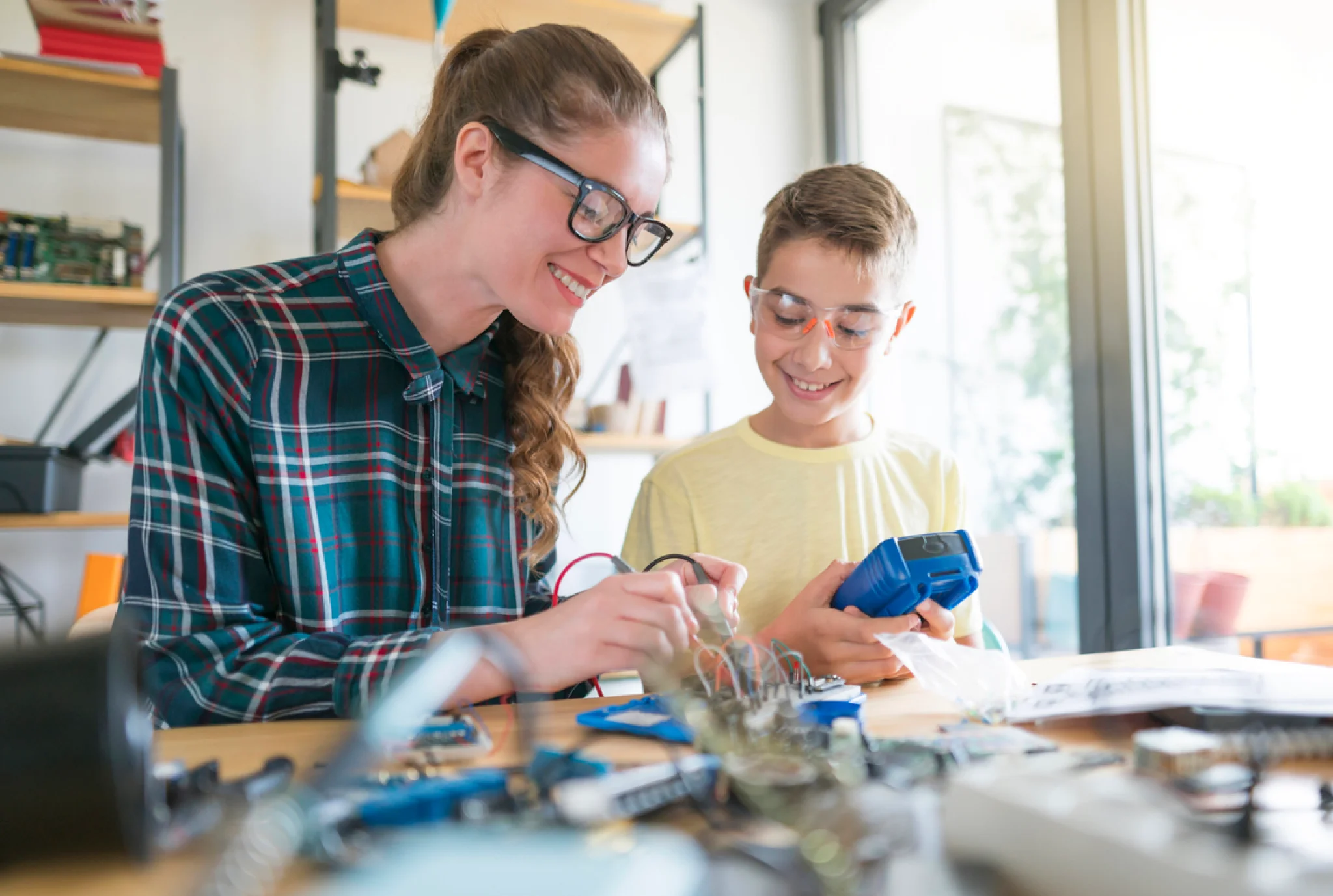
Staying involved doesn’t mean supervising every minute. These strategies help parents stay engaged while encouraging independence.
Create Predictable Check-In Routines
Instead of monitoring your child constantly, schedule regular check-ins throughout the day. For example, parents might:
- Review progress in the morning
- Check assignments after lunch
- Review completed work at the end of the day
This parental support structure allows students to work independently while still knowing support is available when needed.
Ask Questions Instead of Giving Answers
When your child gets stuck, resist the urge to immediately solve the problem. Instead, guide them with questions such as:
- “What have you tried so far?”
- “Where could you find help for this?”
- “What do you think might work next?”
The approach encourages problem-solving skills and helps students develop confidence in their abilities.
Monitor Progress (Just Not Every Minute)
Parents don’t need to watch every lesson or assignment. Instead, check the learning platform regularly to review:
- Completed assignments
- Grades and feedback
- Overall progress
Focus on patterns rather than individual mistakes. One missed assignment is usually not a problem, but repeated missed work might signal a need for extra support.
Celebrate Effort and Independence
Recognizing effort is just as important as recognizing grades. When students solve problems on their own or ask teachers for help, make sure to acknowledge their progress.
Simple encouragement such as “You handled that really well” or “I noticed you figured that out yourself” helps build confidence and reinforces independent learning habits.
Common Challenges Parents Face (And How to Handle Them)
Even with strong routines in place, many families experience challenges with online learning. In fact, a survey from the Pew Research Center, found that 66% of parents provide additional instruction to support their child’s learning at home.
“My child won’t stay on task without me watching.”
Start with short work sessions and gradually increase focus time as your child builds stamina. Minimize distractions by creating a dedicated learning space and limiting interruptions from phones or television.
If focus continues to be difficult, speak with your child’s teacher about strategies that can help.
“I’m worried they’re falling behind.”
Check the learning platform regularly and communicate with teachers when concerns arise. Remember that many online programs allow students to work at their own pace. Sometimes needing extra time simply means a student is mastering the material thoroughly.
The goal is to develop a clear understanding, not rushing through assignments.
“I feel like I’m doing all the work.”
If parents feel responsible for completing assignments or managing every detail, it might be time to step back. Students benefit from experiencing natural consequences. If they forget an assignment or miss a deadline, that experience can help them develop responsibility.
Make it clear that school is their job. Your role is to support and guide, but not to complete the work for them.
“My child resists my help.”
This might be a healthy sign of growing independence. Try asking, “Do you want help, or do you want to try it yourself first?”
Respect their response unless there are obvious signs they are struggling academically. If problems persist, encourage communication with teachers and school support staff.
Knowing When to Step In (And When to Step Back)
Every student needs a different level of support, and that level might change over time. Parents might need to step in when they notice:
- Grades suddenly dropping
- Multiple missing assignments
- Signs of frustration or anxiety
- Technology issues preventing participation
- Difficulty organizing schoolwork
On the other hand, it might be time to step back when students:
- Consistently complete work on time
- Ask teachers questions independently
- Manage their schedules effectively
- Solve problems without assistance
The right level of involvement changes as students gain confidence and responsibility.
Building Independence Over Time
Independent learning develops gradually. Early in the school year, parents might provide more structure, like helping students organize materials, establish routines, and understand expectations.
As students grow more comfortable with online learning, parents can slowly step back. Students begin managing their time, communicating with teachers, and taking ownership of their work.
Teaching skills such as planning assignments, breaking projects into smaller steps, and asking questions when needed helps students become confident learners.
Your Role Changes as Your Child Grows
The parent’s role in online school is not one-size-fits-all. Younger students need more guidance, while older students benefit from increasing independence.
By staying engaged without taking over, parents help create a supportive learning environment where students can build responsibility, confidence, and lifelong learning skills.
Interested in learning how online school can support your child’s independence and academic success? Discover flexible online learning options designed to support both students and families.