

 About Us
 Why K12?
 Safety Needs
 How Students Succeed
 FAQs
FAQs Online Elementary School
 Online Middle School
 Career and College Prep
 Online High School
 Student Clubs
 Career and College Services
 Inside the Online Classroom
 A Day in the Life
 Social & Extracurricular
 Advice, Tips & Inspiration
 Benefits for Life
 Enroll
 All School Options
 Need More Help?
Ways Online Schools Support Students in Special Education and Those With Diverse Learning Needs
Discover how online schools support special education and diverse learning needs through flexible education and student support services.
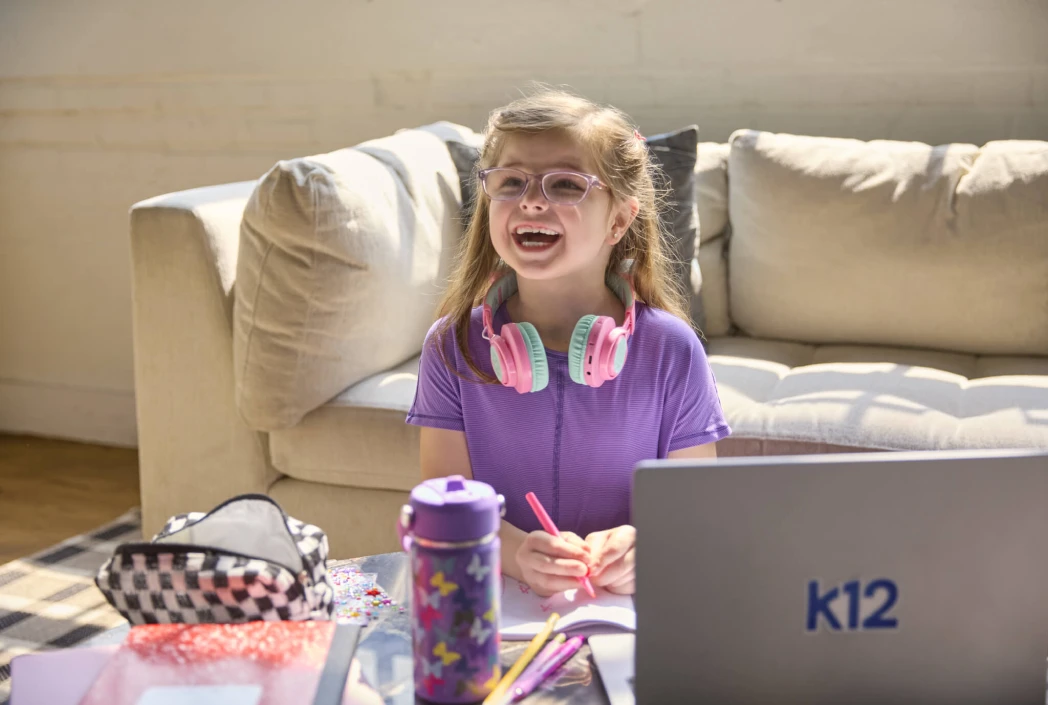
Table of Contents
Families exploring online school often want to know whether virtual learning can support students in special education and those with diverse learning needs. The good news is that many online schools certainly can. In fact, many online schools regularly support students in special education and those with diverse learning needs, including attention-deficit/hyperactivity disorder (ADHD), autism, learning disabilities, dyslexia, anxiety, medical conditions, physical disabilities, and sensory challenges. These virtual environments offer online school accommodations, accessibility tools, flexible pacing, communication systems, and personalized learning supports designed to help students participate more actively in their learning.
Understanding how special education online school support works can help families make more informed decisions about whether online learning may align with their child’s needs.
Special Education and Student Support in Online School
Students don’t all learn the same way. Some students benefit from quieter environments, replayable lessons, flexible schedules, movement breaks, or reduced social distractions. Others may need more structured support or additional services. Understanding how online schools support different learning needs can help families decide whether virtual learning may be a good fit for their child.
Student support in online learning can include far more than technical help or assignment reminders. Depending on the school and the student’s needs, support may include:
| Accommodations | Organizational assistance |
| Counseling support | Social emotional support |
| Flexible pacing | Special education services |
| Intervention services | Teacher communication |
Special education support may involve academic accommodations, emotional support, accessibility tools, communication systems, or help with organization and routines. While some students receive formal support through Individualized Education Programs (IEPs), 504 plans, academic intervention programs, or related support services, others benefit from less formal adjustments that improve accessibility and participation.
Accommodations for Students With Disabilities

Many online schools use digital tools and virtual learning accommodations to help students participate more fully in coursework and instruction. These supports vary by school and student needs, but common examples include:
Extended Time
Extended time is often included in IEPs to support students with processing delays, attention challenges, medical conditions, anxiety, or reading difficulties. Students may receive additional time for:
- Assignments
- Quizzes
- Tests
- Projects
Recorded Lessons
Replayable instruction is one of the most frequently appreciated online learning features for families. With this support, students can:
- Pause lessons
- Rewatch instruction
- Review difficult concepts
- Revisit missed information
This flexibility may reduce pressure and support different processing styles. Some students may also feel less pressure when they can pause lessons or review directions more than once.
Visual and Audio Accessibility Tools
These specialized tools can support students with visual, auditory, reading, processing, or physical accessibility needs. Some common visual and audio accessibility tools include:
- Closed captioning
- Screen readers
- Text-to-speech software
- Enlarged text settings
- Audio instructions
- Keyboard navigation
Flexible Participation and Accommodations Online
In online learning, participation does not always have to look the same for every student. Some students communicate more comfortably through chat responses, written participation, smaller group settings, or asynchronous assignments.
Communication Between Parents and Teachers
Communication often becomes especially important in online learning environments. Because learning happens partially (or fully) at home, parents may notice challenges more quickly than they would in traditional classrooms. Parents may notice their child become overwhelmed during live lessons, frustrated with assignments, distracted during independent work, or emotionally exhausted after long periods of screen time.
Ongoing communication can help teachers and parents adjust support strategies before small challenges become larger barriers to complete. To help families stay informed and supported, many online schools offer messaging systems, parent portals, and support team meetings.
Students often benefit most when parents, teachers, counselors, and support staff communicate openly and work together consistently. Families researching student support online learning options should feel comfortable asking schools:
- How online learning works
- Who coordinates accommodations
- How progress is monitored
- How concerns are addressed
When families and educators communicate consistently, students are more likely to receive support that adapts to their changing needs over time.
Online School Support for Neurodivergent Students
Most online learning environments can support students with a wide range of learning, developmental, sensory, and communication needs. Since the right level of support varies by student, effective online programs often combine accommodations, flexibility, accessibility tools, and consistent communication.
Online School Support for Students With ADHD
Some students with ADHD benefit from several support structures in online school, including recorded lessons, visual schedules, reduced classroom distractions, and frequent movement breaks. Families exploring online learning options for students with ADHD often look for a balance between structure, flexibility, and reduced overstimulation throughout the school day. Some students also focus better when they can work in shorter blocks of time or move around between lessons.
Online School for Students With Autism and Sensory Support
Predictable routines, a quieter learning environment, flexible communication methods, and reduced sensory overload during the school day can greatly benefit some students with autism. Home learning environments may help by eliminating the stress of crowded hallways, overstimulation, and constant transitions. Some students also benefit from quieter workspaces, adjustable lighting, movement breaks, or noise-reducing headphones.
IEP Support and 504 Accommodations in Online School
Students with 504 plans or IEPs may receive accommodations and support services designed to improve accessibility and participation in online learning environments. Students with IEPs or 504 accommodations often benefit from extended time, accessibility tools, flexible participation options, and intervention support.
Gifted and Twice-Exceptional Students in Online School
Gifted students and twice-exceptional students may also benefit from online school support when they need more of an academic challenge combined with individualized accommodations. For example, some students may need faster pacing and enrichment opportunities but also require reduced distractions, flexible scheduling, or support for ADHD, autism, or other learning disabilities alongside advanced coursework.
Choosing the Right Online Learning Environment
Not every online school provides the same level of flexibility, accessibility, accommodations, or special education support. Families evaluating programs may want to ask how online school accommodations are implemented, what accessibility tools are available, how communication works, and how student progress is monitored throughout the year.
The best fit learning environment depends on each student’s academic needs, communication preferences, learning pace, and support requirements. For some families, virtual learning may provide a more flexible, accessible, and comfortable environment that helps students participate more confidently in their education.
Explore Online Learning Support Options
Families considering online learning often want reassurance that their child’s individual learning needs, communication style, and learning pace will be supported. The good news is that federal protections, such as the Americans with Disabilities Act (ADA) and Section 504, help ensure students with disabilities have access to appropriate educational support, including in virtual learning environments.